
Key Takeaways
- Most water heaters last 8–12 years — if yours is approaching that age, start planning for a replacement before it fails unexpectedly.
- Rusty water, strange noises, leaks around the base, and rising energy bills are the clearest signs your water heater is failing.
- Tankless water heaters offer energy savings and longer lifespans, but traditional tank models remain a solid choice depending on your household’s hot water demand.
- Professional water heater installation in Warren MI ensures proper venting, code compliance, and warranty protection.
How Long Do Water Heaters Last?
A traditional tank water heater typically lasts 8 to 12 years with proper maintenance. Tankless models can last 15 to 20 years. The lifespan depends on your water quality, usage patterns, and whether the unit has been maintained. In Macomb County, where hard water is common, mineral buildup can shorten a water heater’s life by several years if the tank isn’t flushed periodically.
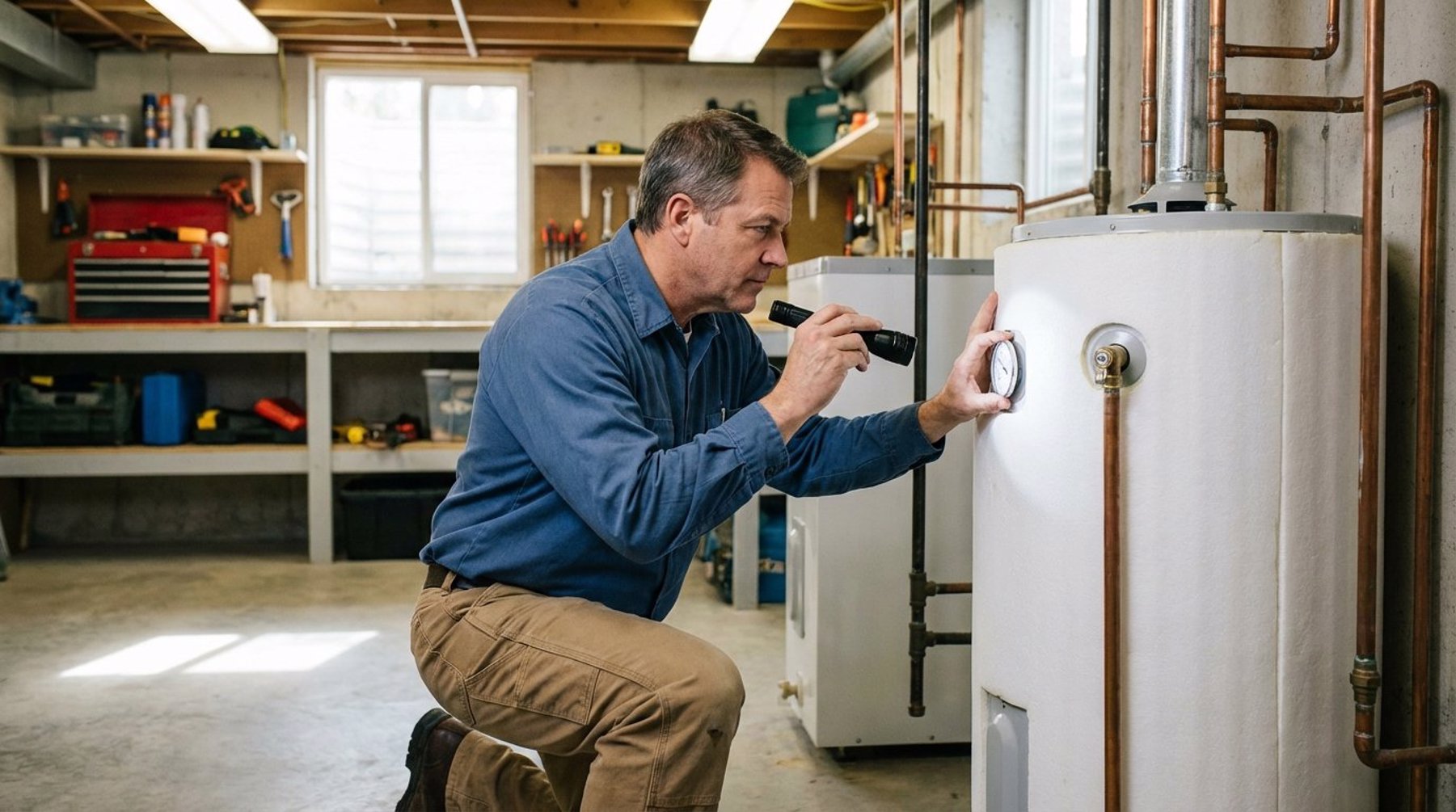
If your water heater is more than 10 years old, it’s worth having a professional evaluate its condition — even if it’s still running. Older units lose efficiency gradually, and a sudden failure means you’re left without hot water and scrambling for an emergency replacement, which usually costs more than a planned water heater installation.
7 Warning Signs Your Water Heater Needs Replacing
Knowing when to replace your water heater saves you from unexpected cold showers and potential water damage. Here are the signs that indicate it’s time:
1. Rusty or Discolored Hot Water
If rusty or brown water comes from your hot water taps — but not your cold — the tank is likely corroding from the inside. Once internal corrosion starts, a leak is usually not far behind. This is one of the most reliable indicators that replacement is imminent.
2. Rumbling or Banging Noises
Sediment builds up at the bottom of your water heater tank over time, especially in areas like Warren and Sterling Heights where municipal water has moderate mineral content. As the sediment hardens, your heater has to work harder to heat water, causing rumbling or banging sounds. This accelerates wear on the tank itself.
3. Water Pooling Around the Base
Any moisture or pooling water around your water heater is a red flag. Small leaks from the tank body indicate metal fatigue or internal cracks that can’t be repaired — only replaced. Don’t ignore even small puddles, because a slow leak can quickly become a major flood.
4. Inconsistent or Declining Hot Water
If you’re running out of hot water faster than you used to, or if the temperature fluctuates during showers, your heater is losing its ability to perform. Sediment buildup reduces the effective capacity of the tank, and failing heating elements can’t keep up with demand.
5. Rising Energy Bills
An aging water heater works harder to heat the same amount of water, consuming more energy in the process. If your gas or electric bills have been climbing without an obvious explanation, your water heater’s declining efficiency could be the cause. New models are significantly more energy efficient — a replacement often pays for part of itself through lower utility costs.
6. Frequent Repairs
If you’ve called a plumber for water heater repairs more than once in the past year, replacement is almost certainly more cost-effective. Repair costs add up quickly, and an unreliable water heater is a liability — especially during Michigan winters when hot water is essential.
7. Visible Corrosion on Fittings
Check the connections, inlet and outlet pipes, and pressure relief valve. If you see heavy corrosion or rust on the exterior fittings, the internal condition is likely worse. Corroded fittings increase the risk of leaks and can indicate the anode rod — which protects the tank from corrosion — has failed.
Tankless vs. Traditional: Which Is Right for Your Home?
When it’s time for a new water heater installation in Warren MI, one of the biggest decisions is choosing between a tankless and a traditional tank model. Both have legitimate advantages, and the right choice depends on your household.
Traditional tank water heaters store 40–50 gallons of hot water and deliver it on demand. They cost less upfront, are straightforward to install, and work well for households with predictable hot water needs. A standard gas tank unit costs between ,200 and ,500 installed.
Tankless water heaters heat water on demand as it flows through the unit, so they never run out. They’re more energy efficient — the U.S. Department of Energy estimates 24–34% energy savings for homes using less than 41 gallons per day. Tankless units cost more upfront (,500–,500 installed) but last nearly twice as long and reduce monthly energy costs. They’re an especially good fit for smaller homes in Macomb County where space is at a premium, since they mount on a wall instead of taking up floor space.
Both options are available in gas and electric models. If your home currently has a gas tank water heater, switching to a gas tankless unit is usually the most practical upgrade — it uses existing gas lines, though the venting may need to be modified. A licensed plumber can evaluate your home’s plumbing and gas supply to recommend the best option.
Why Professional Installation Matters
Water heater installation isn’t a DIY project. It involves gas or electrical connections, water line plumbing, proper venting to prevent carbon monoxide buildup, and compliance with Michigan plumbing codes. Improper installation can void your manufacturer’s warranty and create serious safety hazards.
In Michigan, water heater installation must meet the Michigan Plumbing Code, which includes requirements for temperature and pressure relief valves, proper venting for gas units, and adequate clearances. Macomb County may also require a permit for water heater replacement, depending on the scope of work. A licensed plumber handles the permitting and ensures the installation passes inspection.
H2O Plumbing provides professional water heater installation across Warren, Sterling Heights, Clinton Township, and the surrounding Macomb County area. Whether you need a straightforward tank replacement or want to upgrade to a tankless system, the job is done right — with proper venting, code-compliant connections, and a clean installation. Call (586) 746-8741 or contact us online to schedule an estimate.
What to Expect During Replacement
A standard water heater replacement takes about two to four hours for a like-for-like swap. If you’re switching from a tank to a tankless unit, the job may take a full day due to new venting and gas line modifications. Here’s the typical process:
- Assessment — Your plumber inspects the current unit, discusses your hot water needs, and recommends the right size and type.
- Removal — The old unit is drained, disconnected from water and gas or electrical lines, and removed.
- Installation — The new water heater is positioned, connected to water supply lines, and hooked up to gas or electrical. Venting is installed or modified as needed.
- Testing — The system is filled, checked for leaks, and the thermostat is set. Your plumber verifies proper operation before leaving.
- Cleanup — The old unit is hauled away, and the work area is left clean.
For emergency situations — like a water heater that has burst or is actively leaking — H2O Plumbing offers 24/7 service to get your hot water restored as quickly as possible.
Frequently Asked Questions
When should I replace my water heater instead of repairing it?
If your water heater is over 10 years old and experiencing problems like rusty water, leaks, or inconsistent heating, replacement is usually more cost-effective than repair. A single major repair on an aging unit can cost 00–00, which is better put toward a new, efficient water heater that comes with a full warranty.
How much does water heater installation cost in Warren MI?
A standard tank water heater installation in Warren MI typically costs between ,200 and ,500, depending on the unit size and whether any plumbing modifications are needed. Tankless installations range from ,500 to ,500. These costs include the unit, labor, and basic materials. Your plumber can provide a detailed estimate after evaluating your home.
Is a tankless water heater worth it for Michigan homes?
For many Michigan homeowners, yes. Tankless units provide unlimited hot water, last 15–20 years, and reduce energy bills by 24–34%. The higher upfront cost is offset over time by lower operating costs and a longer lifespan. They’re especially beneficial for homes with limited space or moderate hot water demand.
Can I install a water heater myself to save money?
Water heater installation involves gas or electrical connections, proper venting, and compliance with Michigan plumbing code — making it a job for a licensed plumber. DIY installation can void your warranty, create carbon monoxide risks with gas units, and may not pass a code inspection. Professional installation ensures the job is done safely and correctly.